
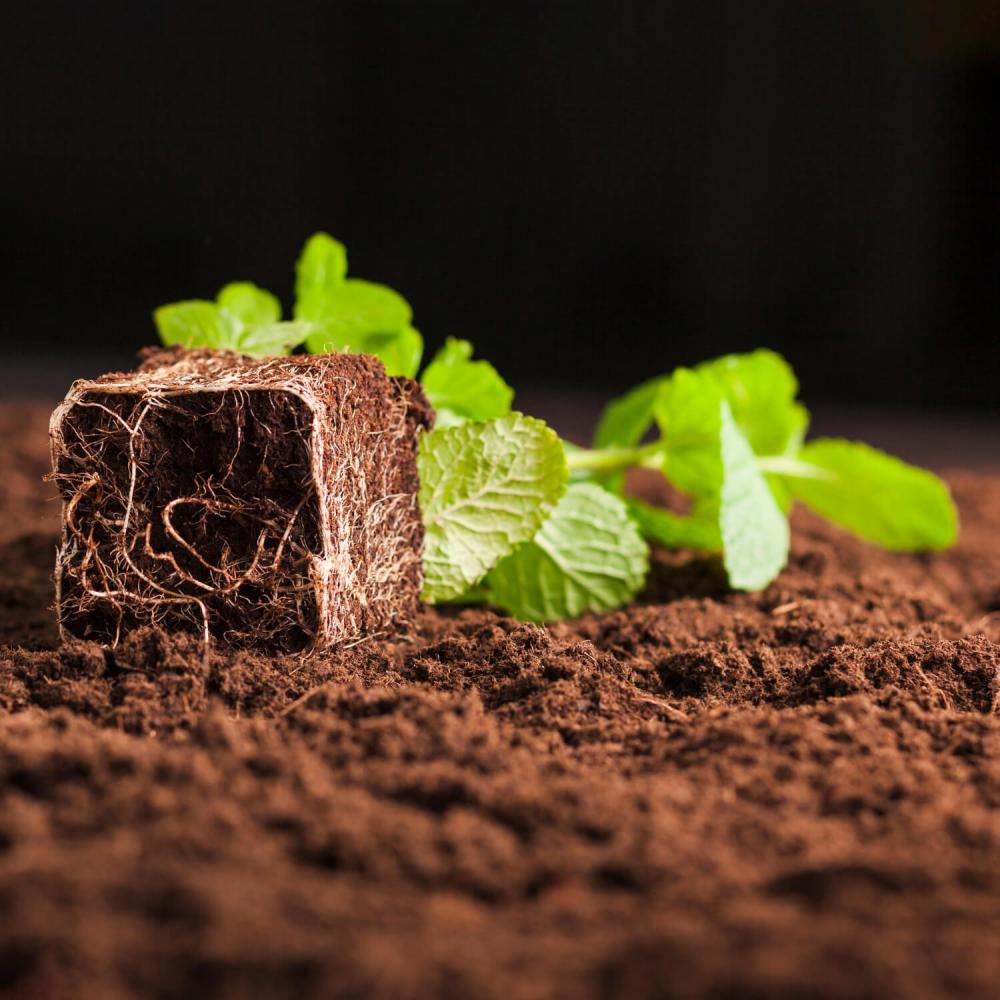
Types of agricultural soil improvers
Healthy soil is the foundation of any successful and sustainable agricultural system. Over time and with continued farming, the soil may deteriorate, losing its fertility and weakening its structure. This is where agricultural soil improvers come in as a fundamental solution to restore the vitality of the land and ensure high productivity and excellent crop quality. In this article, we will discuss the types of agricultural soil improvers.
Definition of agricultural soil improvers
Agricultural soil improvers are natural or manufactured materials added to the soil to improve its physical, chemical, and biological properties, not for direct fertilization. Their main role is to create an ideal environment for root growth and increase the soil's ability to retain water and air, which positively impacts the plant's absorption of nutrients and raises the overall fertility of the land. You can contact Al-Talib Store to obtain all types of agricultural soil improvers through the WhatsApp social networking site.
The difference between soil conditioners and chemical fertilizers
The main difference lies in the function:
- Soil improvers: They work to improve the soil environment itself, focusing on structure, porosity, and the activity of microorganisms.
- Chemical fertilizers: They directly supply the plant with specific nutrients such as nitrogen (N), phosphorus (P), and potassium (K), and are similar to direct food for the plant.
How do soil amendments improve soil structure and nutrient absorption?
- Improving the physical structure by adding amendments such as organic materials to bind clay soil particles together, forming porous clumps, which reduces compaction and facilitates soil aeration and root permeability in sandy soils, thus increasing their cohesion and water retention capacity.
- Enhancing the chemical properties, it regulates the soil's pH and increases its cation exchange capacity (CEC), which means a greater ability for the soil to retain nutrients and prevent them from leaching away with irrigation water.
- Activating biological life and providing a source of energy (carbon) for beneficial microorganisms in the soil, which in turn decompose organic matter and release nutrients in a form that is easy for the plant to absorb and benefit from the advantages of micronutrients for the plant.
ﻻ
Types of agricultural soil improvers
Soil conditioners are divided into several main types, each with its own role and function:
Organic enhancers
- Compost is a decomposed product of organic waste that nourishes the soil, improves its structure, and promotes biodiversity.
- Decomposed manure is a rich source of organic matter and nutrients, but it must be well decomposed to avoid burns and the transmission of diseases.
- Peat moss is distinguished by its superior ability to retain water, and is excellent for improving sandy soils and soil mixes in nurseries.
- Vermiculite and perlite are porous natural minerals used to improve drainage and aeration in soils, especially in pots and soilless growing environments.
chemical enhancers
- Agricultural gypsum (calcium sulfate): Primarily used to improve alkaline and saline soils, as it helps to wash away excess salts and improve the permeability of clay soils.
- Agricultural sulfur is used to lower the pH of alkaline soils, making elements such as iron and zinc more readily absorbable.
- Humic substances (humic and fulvic acids) are natural products resulting from the decomposition of organic matter. They also act as a natural biostimulant, stimulating root growth and increasing the benefits of micronutrients for the plant and the efficiency of nutrient absorption.
Bio-enhancing agents
- Biofertilizers (beneficial bacteria) such as Rhizobium and Mycorrhizae, which fix atmospheric nitrogen or increase the surface area for root absorption of phosphorus and other elements.
You may be interested in: How much agricultural gypsum is needed per acre?
When to use each type of soil amendment
- Heavy clay soil: Agricultural gypsum, compost and perlite are preferred for loosening the soil and improving drainage and aeration.
- Light sandy soil: Peat moss, compost and humic materials are among the best options for increasing soil cohesion and its ability to retain water and nutrients.
- Alkaline soil: Agricultural sulfur is used to lower the pH, while gypsum is used if the soil is alkaline and contains sodium.
- Intensive crops, such as vegetables and fruits, require the periodic addition of compost, humic substances, and biofertilizers to quickly replenish soil fertility.
- Preparation stage for planting: Soil nutrients, compost, and decomposed manure are added when plowing the land.
- During the growing season: Humic solutions and biofertilizers are used as additives with irrigation water to promote growth.
How to use agricultural soil conditioners correctly
- The most important step is to conduct a soil analysis to identify weaknesses, whether it is alkalinity, salinity, or organic deficiency, and to choose the appropriate improver.
- Adhere to the doses recommended by the manufacturer or specialists, as excessive use may have adverse effects.
- The method of mixing and distributing solid amendments such as compost and gypsum should be thoroughly mixed with the surface layer of soil (0-20 cm) during preparation for planting.
- The best time to add most organic amendments is well before planting, as liquid solutions such as humic acid are added during the growing season.
You may be interested in: The best types of soil for agriculture
Common mistakes to avoid when using soil conditioners
- Using uncomposted manure leads to root burns and attracts insects and diseases.
- Overusing a single soil improver, such as excessive peat moss, can make the soil too acidic.
- Not mixing the improver with the soil properly reduces its effectiveness and makes its effect uneven.
- Expect immediate results, as some amendments, especially organic ones, need time to show their full effect on the soil structure.
- Mixing opposing improvers, such as mixing sulfur to reduce acidity with other improvers needed for alkaline soil.
Al-Talib Store for the best agricultural soil improvers
Al-Talib Store offers a distinguished range of the best types of agricultural soil amendments that meet all the farmer's needs, such as:
Conclusion
Agricultural soil improvers are a long-term investment in soil health and productivity. Understanding the type of soil and its needs, choosing the right improver, and applying it correctly are the keys to the success of any agricultural operation. You can contact Al-Talib Store to get the best types of agricultural soil improvers through the WhatsApp social networking site.
Frequently asked questions about types of agricultural soil conditioners
1. How often should soil amendments be added to the soil?
It depends on the type of improver and the type of soil, as organic improvers such as compost are usually added once a year before planting, and liquid solutions such as humic acid can be added with irrigation several times during the growing season.
2. Can I mix more than one type of enhancer together?
Mixing materials, such as compost and humic acid, is often beneficial, but it's essential to ensure they don't interact negatively. Consult a professional or follow the instructions on the packaging.
3. Which is better, organic or chemical additives?
Organic additives are best for improving overall structure and promoting biological life in the long term, while chemical additives such as gypsum and sulfur are a quick solution for specific problems such as high salinity or alkalinity.
4. When will I start to see results from using soil conditioner?
Liquid solutions such as humic acid may show results within a few weeks, while solid amendments such as compost need a full growing season or more to show their full effect on soil structure.
5. Are soil amendments safe for the environment and humans?
Organic, humic and bio-enriched fertilizers are perfectly safe and are the basis of sustainable agriculture. Even chemical fertilizers such as gypsum are considered safe when used in the correct doses.