
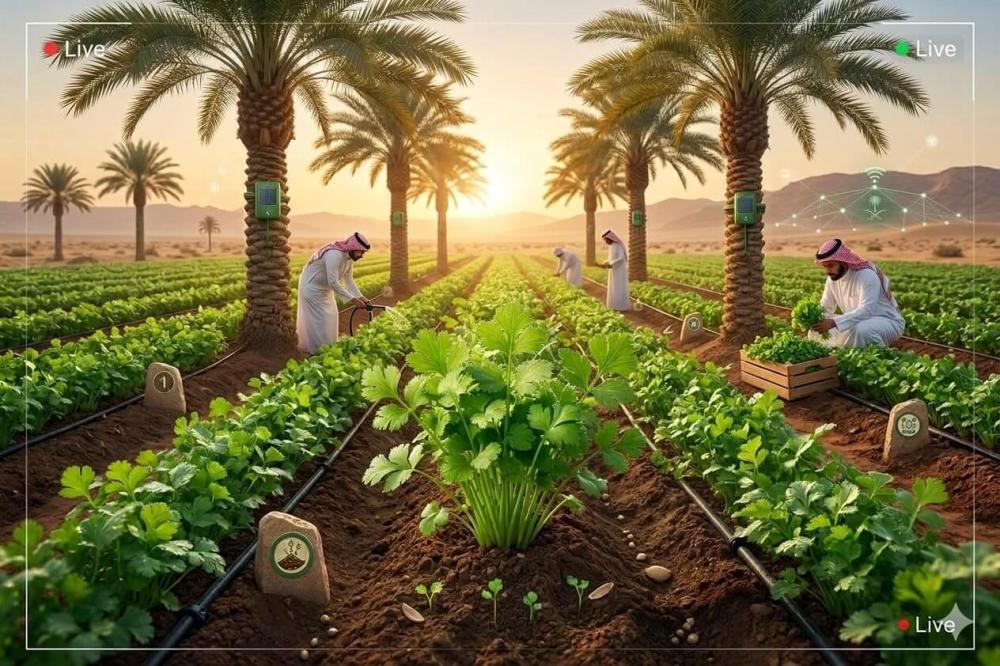
How to grow coriander? Start by choosing the right time (September to November is best), preparing light, rich soil, and then soaking or cracking the seeds to encourage germination. Sow the seeds 1-2 cm deep, leaving 15-20 cm between plants, and water regularly without overwatering. They germinate in 10-14 days, and the leaves can be harvested 35-50 days after sowing.
Coriander planting dates: When does your planting cycle begin?
The ideal climate for coriander
Coriander is an annual herbaceous plant that prefers a cool, temperate climate. This makes it an ideal winter crop in the Arab region. It thrives when temperatures range between 10 and 29 degrees Celsius, with an optimal germination temperature of around 24 degrees. Seeds will not germinate if the temperature drops below 4 degrees or rises above 32 degrees, which explains why it fails to thrive in the height of summer or the peak of winter.
Agriculture according to region and optimal timing
In Egypt, the optimal planting period extends from September to February, but October remains the golden time. Planting too early in September may expose the plants to the residual summer heat, causing them to flower prematurely (twirling). In Saudi Arabia and the Gulf countries, the period from October to November is the most suitable due to the relatively moderate temperatures during this time.
Extension leaflets indicate that delaying planting causes plants to rush into flowering before developing a strong vegetative system, significantly reducing the yield. Therefore, adhering to the ideal planting date is not a luxury, but a necessity for abundant production.
Summer vs. Winter Agriculture
Coriander is a quintessential winter crop. Attempting to grow it in the summer means exposing it to high temperatures that will cause the plant to flower prematurely before it has produced enough leaves. If you insist on summer planting, look for heat-tolerant varieties and provide them with partial shade and consistent humidity. But the truth is: the result will not match the quality of a winter crop.
Exploiting the harvest for continuous production
Cilantro yields more than one harvest if managed properly. You can get four to five harvests during the season. The first harvest is 35 days after planting, and subsequent harvests occur approximately every 21 days until March. This makes cilantro an excellent and economical choice for continuous home consumption.
Preparing the seeds and soil: the foundation for a bountiful harvest
The secret to cracking seeds
Here's one of the most important secrets to successful coriander cultivation that many people don't know: coriander seeds aren't a single seed, but rather a fruit containing two seeds attached to each other. If you plant them as is, only one seed from each fruit will germinate at best. Rubbing the seeds between your palms or using a gentle pestle to separate them significantly increases the germination rate and ensures denser seedlings.
This is practical advice tried and tested by experienced farmers, not just theoretical information.
Soaking the seeds
Is soaking worth your time? The answer is yes, if you want to speed up germination. Soak the seeds in lukewarm water for 12-24 hours before planting. This helps soften the hard outer shell and allows the embryo to begin its life cycle more quickly. However, don't over-soak them, or the seeds will rot.
Ideal soil specifications
Coriander thrives in clay and loamy soils, provided they are well-drained. Heavy, waterlogged soils can cause root rot, which is coriander's primary enemy. Soil rich in decomposed organic matter is also beneficial for nourishing the plant during its early growth stages.
Land preparation
For the small farmer or home gardener, the process is simple: plow the land thoroughly twice at right angles, then add well-rotted organic fertilizer at a rate of 15-20 cubic meters per acre along with 300 kilograms of superphosphate. After that, level the land and create raised beds one meter wide for easy planting and maintenance.
If you are growing in pots, mix light loamy soil with a little sand to improve drainage.
Shop for the best agricultural seeds at Al Talib Store
How to grow coriander in detail
How to grow coriander seeds in the garden or field
After preparing the soil, broadcast the seeds in rows or use the furrow method. The important thing is to space the holes about 25 cm apart, and place 4-5 seeds in each hole. Cover the seeds with a thin layer of soil (1-2 cm), then water gently to prevent the seeds from being washed away.
Ideal spacing: 15-20 cm between plants. Overcrowding reduces ventilation and increases the chances of disease.
How to grow coriander seeds at home (pots and balcony)
For the home gardener, coriander is an excellent choice because its roots are not deep. A depth of 20-25 cm is sufficient. Use a pot with drainage holes in the bottom, fill it with soil, then scatter the seeds not too densely and cover them with a light layer.
After two weeks of growth, thin out the plants if they are crowded. Water every other day in winter and daily in summer, monitoring soil moisture. Do not water if the soil is still wet; this is more dangerous than letting the plants dry out.
Hydroponic coriander cultivation
How to grow coriander hydroponically? For those seeking a clean and abundant home-grown crop, hydroponics is an innovative option. Use a balanced nutrient solution with a slightly higher nitrogen concentration to encourage vegetative growth. Coriander adapts well to hydroponic systems, but requires good root oxygenation to prevent rot. This method is ideal for those with limited space who want a renewable harvest.
Service and care operations
Irrigation regulation
The golden rule: Moisture without waterlogging. Coriander hates waterlogged soil. In winter, water every other day or as needed. In summer, you may need to water daily, but always check the soil moisture before watering. Regular watering is not only essential for growth but also for delaying flowering and maintaining leaf production for a longer period.
Fertilization program
Coriander is a leafy plant, so it needs more nitrogen than other plants. Nitrogen fertilizer should be added at a rate of 100 kg per acre one month after planting, and then another 100 kg after each harvest. For home gardeners, use liquid organic fertilizer every two weeks, or add vermicompost after each harvest.
Recommendation: Using high-quality organic soil fertilizers makes a noticeable difference in leaf density and color. If you live in the area, you can obtain reliable products from specialized agricultural stores.
Thinning plants and weeding
Overcrowded coriander plants result in weak plants, poor air circulation, and faster disease spread. Two weeks after germination, thin the plants to leave 15-20 cm between each one. Also, be sure to remove weeds regularly as they compete with the coriander for nutrients and water.
Shop for the best agricultural and chemical fertilizers at Al Talib Store
Problems in coriander cultivation and how to treat them
The problem of rosy bulging (bolting):
Have you noticed that your coriander flowers quickly and its leaves become bristly and feathery? This is bolting. It happens when the temperature rises, watering decreases, or the days lengthen. At this stage, the leaves lose their flavor and nutritional value.
Solution: Regular watering, planting at the right time, choosing slow-flowering varieties, and regularly harvesting the leaves. When you feel the plant starting to grow abnormally long, quickly cut off the top leaves to slow the process.
Yellowing of leaves and deterioration of seedlings
Yellowing of the leaves may be due to:
- Nitrogen deficiency: The lower leaves turn yellow first.
- Irrigation fluctuations: either thirst or flooding.
- Root rot: The soil is too heavy or poorly drained.
Accurate diagnosis saves you time and effort. If the roots are black and soft, the problem is drainage. If only the lower leaves are yellowing, the problem is nutrition.
pests and diseases
Aphids: A common enemy of coriander. They are easily treated with natural oils such as neem oil or by spraying with a strong stream of water. Avoid harsh chemical pesticides, as coriander is a leafy plant that we eat fresh.
Powdery mildew and root rot: the most common fungal diseases in coriander. Prevention begins with:
- Use certified seeds.
- Treat the seeds with fungicides before planting.
- Avoid overwatering.
- Improve drainage and ventilation.
- Remove and burn infected plants instead of leaving them in the field.
In case of severe infestation, use fungicides recommended by agricultural authorities, taking into account the safety period before harvest.
You might be interested in: The best agricultural pesticides from Al-Talib Store
Harvesting and storing coriander
Harvesting leaves the right way
Do not uproot the plant if you want multiple harvests. Cut the outer leaves from the base of the stem, leaving the center to grow. This method ensures regrowth and continued production. The first harvest should be 35 days after planting, and you can get 4-5 harvests during the season.
Collect seeds for the next season
If you allow some plants to flower and produce seeds, you can collect them. Wait until the flower heads on the plant have dried, then cut them off and place them in a perforated paper bag. After two weeks, the seeds will be ready to be separated and stored in an airtight container in a cool, dry place.
Drying and storing leaves
To benefit from coriander throughout the year, dry the leaves using the following methods:
- Air drying: Tie the bundles and hang them in a dark, dry, and well-ventilated place for two weeks.
- Oven drying: at a low temperature (40-50 degrees Celsius) with the door slightly ajar.
- Freezing: After washing and drying, place the leaves in airtight bags and remove the air.
Storing it in opaque glass jars in a cool place ensures a strong flavor for several months.
Conclusion
How to grow coriander? You can start in your garden or even on your balcony. High-quality seeds, organic fertilizers, and practical guidance—everything you need for a successful harvest is in one place. Don't postpone your next planting cycle. The ideal planting time is approaching, and good seeds are running out quickly. Order now from Al-Talib Store and get guaranteed germination coriander seeds and organic soil fertilizers that will transform your gardening from an ordinary experience into a bountiful success.
Frequently Asked Questions
Where can I get reliable organic soil fertilizers?
High-quality organic fertilizers are a true investment in the health of your crops. Look for products certified by reputable agricultural authorities and avoid products of unknown origin. Al-Talib Store offers carefully selected organic fertilizers to enhance soil fertility and crop quality.
How can I order coriander seeds that guarantee the highest germination rate?
Order fresh seeds from a recent harvest season, ensuring they are certified and free of impurities. Older seeds lose a significant portion of their viability. Al Talib Store guarantees high-quality seeds along with proper planting instructions.
Can coriander be grown from agarwood seeds?
The difference is crucial: Spice seeds are processed for food consumption, not for planting. They may be old or have been heat-treated or chemically treated, reducing or eliminating their germination capacity. Planting seeds, on the other hand, are specifically designed for this purpose and undergo rigorous quality control to ensure a high germination rate. If you're serious about planting, don't waste your time with spice seeds.