
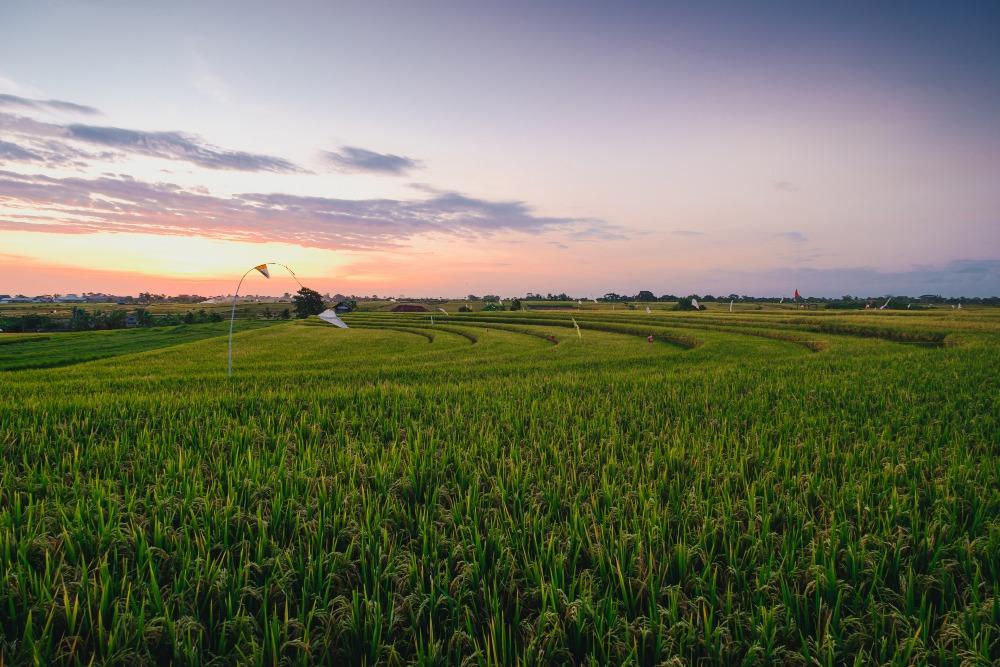
Choosing the best fertilizer for vegetative growth is the most important step for any gardener, whether beginner or expert, to ensure strong, high-yielding plants. In this comprehensive guide from Al-Talib Store, we'll take you on a journey to understand the secrets of vegetative growth, how to nourish your plants in the best ways to achieve lush green spaces, and how to find the best fertilizer for your plants.
What is vegetative growth?
Vegetative growth is the first and most vital stage in a plant's life. During this period, the plant focuses all its efforts on building its strong structure. It grows in height, its stems branch out, and its leaves expand to become larger and more numerous. This process aims to maximize the surface area of leaves responsible for photosynthesis and to develop strong roots that pave the way for flowering and fruiting.
What is the importance of fertilization for healthy plant growth?
Soil is the primary source of plant nutrition, but over time, repeated cultivation depletes its nutrients. This is where fertilization comes in, a vital process to replenish these elements and compensate for the deficiency. Balanced fertilization provides the plant with the three major nutrients:
- Nitrogen (N): It is the undisputed champion of vegetative growth. It is involved in the formation of chlorophyll, which is responsible for the green color and the process of photosynthesis, resulting in large, dark green leaves.
- Phosphorus (P): Essential for the growth of strong and healthy roots, which are the foundation that anchors the plant and through which it absorbs its food.
- Potassium (K): Enhances the plant’s overall immunity, strengthens its stems, and helps it resist diseases and harsh environmental conditions.
Without these elements, especially nitrogen, the plant will suffer from severe weakness in vegetative growth.
ﻻ
You may be interested in: The best types of soil for agriculture
The role of fertilizers in promoting vegetative growth
Fertilizers act as a complete nutritional supplement for plants. When we use the best fertilizer for vegetative growth, we provide the plant with a concentrated dose of nitrogen, which stimulates it to produce more proteins and enzymes necessary for cell division. This leads to:
- Increased number of leaves: The plants become denser.
- Larger paper area: Increases the efficiency of light absorption.
- Stem strength: They become thicker and better able to bear the weight of future fruits.
- Root development: Allows the plant to search for water and nutrients in a larger area of soil.
Challenges facing farmers in choosing the right fertilizer
Farmers, especially amateurs, face several challenges when trying to choose the best fertilizer for planting:
- Product variety: The presence of dozens of types of fertilizers on the market makes the selection process confusing.
- Understanding the numbers: NPK numbers (such as 20-20-20) may seem like a secret code, but they are the key to understanding the components of the fertilizer.
- Balancing organic and chemical: Hesitation in choosing the type that is most beneficial to the plant and soil in the long term.
- Estimating the appropriate dose: Fear of harming the plant due to over-fertilizing or under-fertilizing.
Signs of fertilization deficiency in plants
Clear symptoms appear on the plant when it suffers from a deficiency of elements, especially nitrogen:
- Leaf yellowing (chlorosis): It usually starts from the lower, older leaves and then moves upwards. The leaf loses its green color and becomes pale yellow.
- Growth has stopped: You notice that the plant is no longer producing new leaves at the same rate, or that the new leaves are small in size.
- Weakened stems: The stems become thin and weak.
- General paleness of color: The entire plant looks pale and lifeless.
If you notice these signs, it is a clear indication that your plants urgently need a dose of nitrogen-rich fertilizer.
Types of fertilizers suitable for vegetative growth
To promote vegetative growth, focus should be placed on fertilizers with a high nitrogen content compared to phosphorus and potassium. Here are the most prominent types:
- Balanced fertilizers (such as 20-20-20) provide equal amounts of key nutrients. They can be used at the beginning of the growth stage or for plants that need general support.
- High-nitrogen fertilizers (such as 10-5-5 or 12-6-6) are the ideal choice for efficiently promoting vegetative growth. The higher number ensures the plant receives an ample dose of nitrogen.
When should you use vegetative growth fertilizer?
Fertilizer should be applied during the plant's active growth period. This period varies depending on the plant species and climate.
- For seasonal plants: Fertilization begins a few weeks after sowing the seeds or transplanting the seedlings to permanent ground, when they begin to produce new true leaves.
- For perennial plants: Fertilization begins with the start of spring, when plants emerge from winter dormancy and begin to push forward new growth.
- For houseplants: Fertilize during the spring and summer (growing season) once every two weeks to a month.
It is also advised not to fertilize in winter or during periods of plant dormancy, because the plant does not grow actively and cannot absorb nutrients.
How do you prepare the soil before planting?
Proper soil preparation ensures a strong start for plants before planting. Follow these steps:
- Clean the soil: Remove weeds and stones from the soil surface.
- Tilling the soil: Turn the soil well to aerate and loosen it.
- Add organic matter: Mix the soil with a generous amount of well-rotted compost or manure. This improves soil structure and increases its ability to retain water and nutrients.
- Add a slow-release fertilizer: You can add a balanced granular organic fertilizer such as 20-20-20 to the soil before planting to ensure a steady source of nutrients for the first few months.
How do you choose the right fertilizer?
To choose the best fertilizer for vegetative growth, ask yourself these questions:
- What is your goal? If you want dense leafy plants such as lettuce and spinach, then look for a high nitrogen fertilizer.
- Is the plant indoors or outdoors? Indoor plants often need gentler care and less concentration.
- What is your budget and philosophy regarding agriculture? Organic fertilizers are better for the soil in the long run, while chemical ones are quick and effective in the short run.
- Always read the label: Make sure you understand the NPK ratio and usage instructions before purchasing.
Al-Talib Store's Fertilization Tips for Vegetative Growth
The experts at Al Talib Store offer these golden tips:
- Start with diluted doses, especially if you are using a chemical fertilizer.
- Never apply fertilizer to dry soil and water the plant first to avoid burning the roots.
- Observe your plants, for they are your best guide, and respond to any signs of deficiency or excess that appear on them.
- Do not rely on one type of fertilizer; diversifying between organic and mineral sources ensures complete nutrition.
- Make sure that the fertilizer you choose contains elements such as iron, manganese and zinc, as they are essential for plant health, even if in small quantities.
What is the difference between organic and chemical fertilizer?
- Organic fertilizer: It comes from natural sources (plant or animal). It decomposes slowly, so it nourishes plants for a long time, improves soil structure, and increases the activity of microorganisms in it. However, it is less concentrated and may not be a quick solution for acute problems.
- Chemical fertilizers are manufactured to provide nutrients in specific proportions and are readily soluble. Plants absorb them quickly, giving immediate results. However, they do not improve the soil, and if misused, they burn roots and pollute groundwater.
Therefore, organic materials are used to build healthy soil in the long term, and chemical materials are used as a quick fix or extra remedy at peak times.
How often should plants be fertilized?
This depends on the type of fertilizer and the plant:
- Slow-release granular organic fertilizers: sufficient once every 2-3 months.
- Liquid fertilizers (organic or chemical): used once every one to two weeks during the active growing season.
- Fast-release chemical fertilizers: should be used with caution and according to the package instructions, and often at longer time intervals.
What is the ideal NPK ratio for vegetative growth?
The ideal ratio for vegetative growth is the one where the first number (nitrogen) is highest, such as Al-Wissam Nitroplus fertilizer (25 kg, 40-0-5) from Al-Talib Store. This ratio ensures the plant receives a strong boost of nitrogen along with sufficient phosphorus and potassium to support the roots as well.
Are natural fertilizers better than chemical ones?
- Natural fertilizer: improves soil structure and supports microbial life, provides balanced and slow nutrition, and reduces the risk of plant burns.
- Chemical fertilizer: If your plant is suffering from a severe nitrogen deficiency and needs a quick solution, chemical fertilizer is the ideal solution.
Al-Talib Store for the best fertilizer for vegetative growth
At Al Talib Store, we offer comprehensive solutions and years of experience in the world of agriculture. Here's why we should be your first choice:
- We evaluate and select the best types of fertilizers (organic and chemical) from reliable sources to ensure you receive the highest quality and effectiveness. Whether you're looking for the best natural soil fertilizer to improve long-term fertility, need the best fertilizer for potted houseplants, or require a specific high-nitrogen formula, you'll find what you're looking for among our diverse product range.
- Our team of agricultural engineers and experts is always available to answer your questions, help you choose the right fertilizer for your plants, and guide you on how and when to use it.
- We believe that plant care should be accessible to everyone. Therefore, we strive to offer high-quality products at prices that suit a wide range of needs, from professional growers to hobbyists and homeowners.
- We deliver your orders to your doorstep quickly and safely, with packaging that maintains the quality of the products until they reach you.
Conclusion
Now that you're an expert in fertilization and vegetative growth, it's time to get to work. Don't let your plants wait any longer to get the nutrition they deserve. At Al Talib Store, we offer a carefully selected range of the best fertilizers for vegetative growth, whether you're looking for natural organic solutions or high-quality, specialized chemical fertilizers. So, order now via WhatsApp and let your plants enjoy optimal nutrition with Al Talib.
Frequently Asked Questions
What is the best natural fertilizer for soil to promote vegetative growth?
10 kg of processed cow manure from Al-Talib store is considered one of the best natural options due to its high levels of nitrogen, which is relatively fast-absorbing.
How do I choose the best fertilizer for houseplants during the vegetative growth stage?
Look for a liquid organic or chemical fertilizer labeled as being for leafy plants or containing a high nitrogen NPK ratio, and make sure to dilute the fertilizer to half the dose recommended on the package to avoid harming the delicate roots of houseplants.
When should I stop using vegetative growth fertilizer?
Stop using this type of fertilizer when the plant begins to form flower buds. At this stage, switch to a phosphorus and potassium-rich fertilizer specifically formulated for flowering and fruiting to support this process rather than promoting more leaf production.