
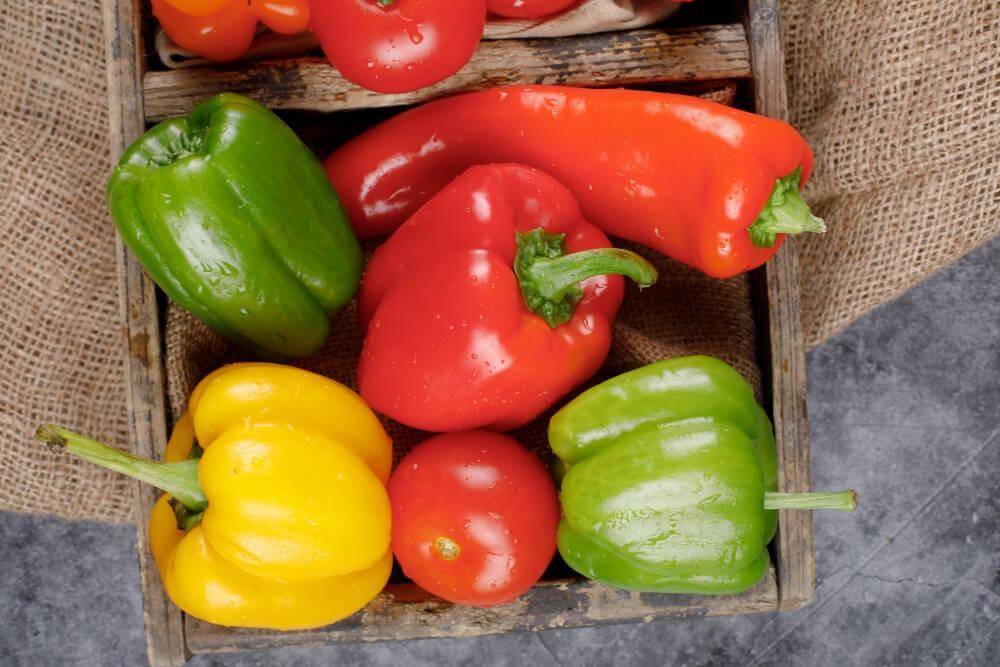
Have you ever dreamed of picking a ripe, delicious bell pepper from your balcony? Growing bell peppers at home isn't just a hobby; it's a fun and rewarding experience that provides you with fresh, pesticide-free vegetables. If you're a beginner in the world of home gardening, don't worry; bell peppers are a rewarding plant that anyone can successfully grow by following the right steps.
This guide, based on practical experience and proven methods suited to the Saudi climate, is brought to you by the Al Talib Agricultural Store platform to teach you how to grow sweet pepper seeds at home.
When should bell peppers be planted? (Sweet pepper planting dates in Saudi Arabia)
The hot, dry climate of the Gulf countries presents a particular challenge for home gardeners, making planting timing crucial for success. In hot regions, it's best to avoid planting during the peak of summer when temperatures exceed 40 degrees Celsius, as this can inhibit fruit set.
Planting summer vs. winter sweet pepper seeds
In coastal and Gulf regions, planting dates can be divided into two main seasons:
- Autumn/winter planting (ideal): This begins from late August until November. During this time, the temperature gradually decreases, which helps the plant to develop strong vegetative growth before the onset of mild winter.
- Spring planting: This begins in February and continues until mid-March. This planting produces a good crop before the arrival of the scorching summer heat, which may halt flowering.
How to grow sweet pepper seeds at home in winter?
Here's how to grow sweet pepper seeds at home and overcome the vagaries of outdoor weather. Indoor growing gives you complete control over environmental factors:
- Temperature: The warmth required for germination (25-30 degrees Celsius) can easily be provided indoors.
- Lighting: The short daylight hours can be compensated for by artificial lighting (growth lamps) to encourage seedlings to grow vigorously until they are ready to be moved outdoors or to continue growing indoors.
Choosing seeds: Can peppers be grown from a regular pepper fruit?
This is a question many people ask: Can I take seeds from a red pepper I bought at the market and plant them? The straightforward answer is yes, you can, but with some important warnings that may save you a lot of time and effort.
Practical experiment with common peppercorn seeds:
When you plant seeds from a regular pepper fruit, you may encounter some problems: poor germination, weak plants that do not bear fruit, or fruits that are completely different from the parent fruit due to cross-pollination. These seeds may also carry fungal diseases that affect plants.
Supplies for growing peppers at home, for balconies and pots
You don't need a large garden; a sunny balcony or window is enough to start your project. To save money and effort, you can easily set up your basic supplies.
- Planting trays (seedlings): to start seeds in them before transplanting.
- Final pot size: no less than 10 liters per plant to give its roots enough space to expand.
- Sunny location: Peppers need 6-8 hours of direct sunlight daily.
What is the best soil for growing sweet peppers in pots?
The biggest threat to potted pepper plants is root rot due to overwatering or poor soil drainage. To avoid this problem, prepare a magic soil mix consisting of:
- Peat moss is used because it retains the necessary moisture.
- Perlite or vermiculite to improve aeration, prevent soil compaction, and drain excess water.
- Organic compost to nourish the plant with essential elements.
This mixture ensures excellent water drainage and protects your plant's roots from drowning.
Steps for growing sweet pepper seeds at home (germination stage)
Here comes the crucial moment. Follow these steps carefully to get strong and healthy seedlings.
Preparing the seeds and using seedling trays
- Fill the planting tray with the prepared soil and water it until it is moist (but not saturated).
- Plant the seeds at a very shallow depth, about 0.5 - 1 cm, then cover them with a very light layer of soil.
- Spray the soil surface with water daily to keep it moist.
What is the ideal temperature for germinating pepper seeds?
Peppers are a tropical plant that loves warmth. The ideal temperature for seed germination is 25 to 30 degrees Celsius.
- To achieve this at home, place the tray in a warm place (such as the top of the refrigerator).
- To speed up germination, you can cover the tray with a clear plastic bag to create a greenhouse effect that retains moisture and heat.
Under ideal conditions, you will notice the emergence of small seedlings within 7 to 14 days, although some varieties may take up to 3 weeks.
Caring for pepper plants after germination (watering and lighting)
Once the small seedlings appear, a new phase of careful care begins to ensure their growth and transformation into strong plants.
First irrigation process and humidity control
The most common mistake at this stage is overwatering. The golden rule: thirst is better than drowning.
- Moisture test: Insert your finger into the soil up to the first knuckle. If it feels dry, it's time to water. If the soil is still moist, wait another day.
- Watering method: Use a water spray or water from below by placing the tray in a saucer of water so that the roots absorb what they need, reducing the risk of fungal diseases on the leaves.
Sweet pepper growth requirements in terms of lighting
Light is the food of the plant. After germination, seedlings need as much light as possible to avoid elongation (the growth of a long, weak stem).
- If you are growing in a window, choose the window that receives the most sun (southern in the northern hemisphere).
- On cloudy days, or if your seedlings are indoors away from direct sunlight, use grow lights to compensate for the lack of sunlight for 12-16 hours a day.
The secret to success: Hardening off and transplanting seedlings
This step is the difference between a seedling that thrives and one that withers and dies. In our hot climate, the sudden transition from the safe warmth of home to the heat of the sun and wind outside shocks the plant; this is known as climate shock.
Steps for transporting seedlings abroad (Transplanting)
The hardening process is the gradual accustoming of seedlings to external conditions over the course of a full week:
- Day 1-3: Take the seedlings out for one to two hours in the early morning or evening, away from direct sunlight and strong winds.
- Day 4-6: Gradually increase the duration to 4-5 hours, exposing it to some direct sunlight during moderate periods.
- Day 7: Leave it outside all day (while monitoring it), then finally transfer it to its permanent pot in its designated place.
What is the required distance between pepper seedlings when planting?
If you are planting more than one plant in the same container or soil, be sure to leave enough space between them to avoid competition for nutrients, water, and light. The ideal distance between seedlings is 40-50 cm; this allows each plant to grow freely and produce abundantly.
Common problems when growing peppers from seed and how to solve them
On your farming journey, you may encounter some challenges. Here are the most common problems and their practical solutions to save your plants in time.
How can I prevent sudden wilting of pepper seedlings?
Sudden wilting is often due to:
1- Root rot resulting from overwatering and poor drainage.
Solution: Stop watering immediately and allow the soil to dry out. Ensure there are sufficient drainage holes in the pot.
2- Climate shock when transporting abroad.
Solution: Adhere strictly to the hardening-off process and do not rush the transfer of seedlings.
Protecting peppers from fungal diseases
A humid environment is a breeding ground for fungi. To protect your plant:
- Avoid wetting the leaves: Water the soil directly and not the plant from above, and it is preferable to water in the early morning so that the plant dries during the day.
- Improve ventilation: Do not crowd the seedlings together to ensure air circulation between them.
- Use a preventative fungicide (natural or chemical): If signs of disease appear, consult experts for appropriate treatment.
Where can you get the best pepper growing supplies?
To ensure the success of your agricultural project and achieve the best results, don't rely on just any supplies; instead, get your tools and seeds from a trusted source. Al-Talib Store provides everything you need in one place to start your journey with confidence.
- Colorful and hybrid sweet pepper seeds: Choose from the finest varieties that guarantee a bountiful harvest and large fruits with a distinctive taste, intended for home cultivation.
- Safe fungicides and fertilizers: Our range of pesticides and biostimulants protects your plant from diseases and supports its natural and safe growth.
- Planting trays and pots: We offer all the essential high-quality tools that guarantee you a perfect start, from seedling trays to suitable pots.
- Benefit from our agricultural consultations: If you are a beginner and have any questions, our team of experts at Al Talib Agricultural Store is ready to answer your questions and advise you step by step.
ﻻ
Conclusion
Don't miss the chance to grow fresh, homemade bell peppers. Visit our store now and choose your hybrid pepper seeds and gardening supplies, and enjoy an exceptional harvest season.
Frequently Asked Questions
How to grow sweet pepper seeds at home in simple steps?
To grow peppers at home, start by selecting high-quality hybrid seeds and sowing them in light, well-drained soil to a depth of 1 cm. Provide them with warmth and moisture until they sprout, then transfer them to a large pot and provide them with 6 hours of sunlight daily along with moderate watering.
When do pepper seeds sprout after planting?
Under ideal conditions (temperature 25-30°C and suitable humidity), pepper seeds will begin to germinate within 7 to 14 days. Some varieties may take longer, up to 3 weeks, so don't lose hope and continue to keep the soil moist.
Do bell peppers need sun?
Yes, bell peppers need 6-8 hours of direct sunlight daily to grow vigorously and produce sweet, ripe fruit. Insufficient light leads to weak plants and reduced yields.