
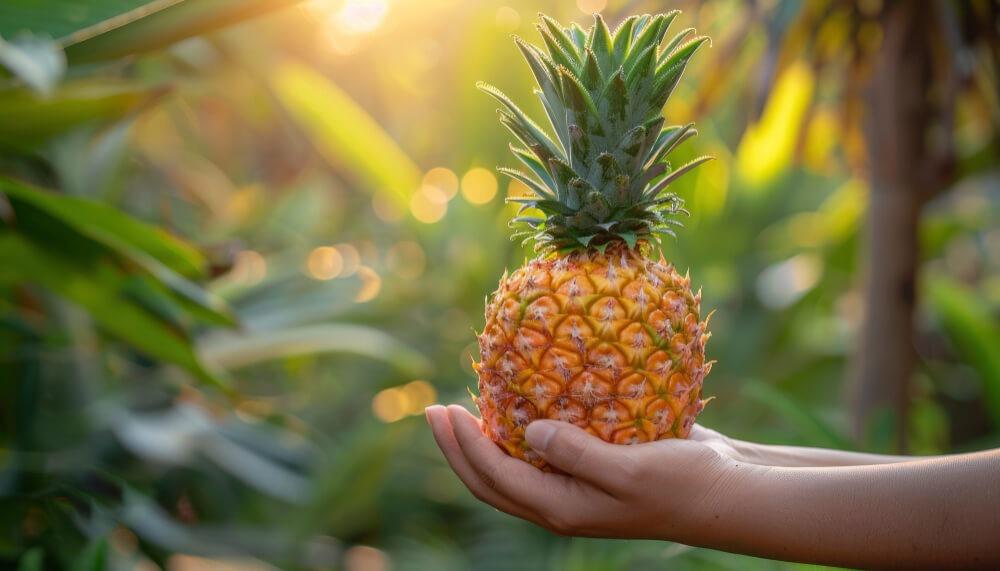
Have you ever imagined picking a delicious tropical pineapple from your own garden or farm? It might sound like a dream, but growing pineapples is a fun and rewarding experience, and it's simpler than you think! In this comprehensive guide, we'll take you on a step-by-step journey to learn everything about growing pineapples, from choosing the right fruit and preparing the soil to caring for the plant and achieving the perfect harvest. Whether you're a beginner or a seasoned gardener, this guide is for you.
Origin of the pineapple plant
The pineapple (scientific name: Ananas comosus) is a perennial tropical plant with a long and unique history. It originated in South America, specifically in the region between Brazil and Paraguay, where it was cultivated by indigenous peoples for centuries before Europeans discovered it during their voyages of exploration. Today, pineapples are grown in all tropical and subtropical regions around the world, with countries like Thailand, the Philippines, and Brazil being among the largest producers.
The pineapple is a herbaceous plant consisting of a rosette of long, sword-shaped leaves. From the center of this rosette grows a stem topped by the compound fruit, which is formed by the fusion of several flowers. When growing pineapples, the question often arises: "How do you grow a pineapple tree?" In fact, the most common and effective method is using the "crown," the leafy upper part of the fruit, which serves as a ready-to-plant sucker. It can also be grown from seed, but this is a longer method and is more commonly used in hybridization and development programs.
Choosing the right pineapple for planting
The first and most important step in growing pineapples is choosing the right mother fruit; success begins here. When you go to buy a pineapple from the market, follow these specific tips:
- Choose a ripe, but not overripe, pineapple. A ripe fruit has a golden-yellow base and a strong, sweet, aromatic scent. Avoid completely green fruit, as it is unripe and may not yield good results.
- Examine the crown (the leaf apex); this is the part you will be repotting. Make sure the crown leaves are green and healthy, not wilted or brown. The middle leaves should be firm and stiff when gently pulled off.
- Check the fruit for any soft or rotten spots or insect signs, as these may affect the health of the crown and its ability to grow.
- Hold the crown firmly and twist it in a circular motion until it detaches from the fruit. This is the best way to obtain a whole crown without any fleshy remnants. If you find it difficult, you can use a sharp knife to cut it, but be careful to remove any remaining flesh stuck to the base of the crown, as it may cause rot.
- After obtaining the crown, leave it to dry in a well-ventilated, shaded place for 3 to 7 days. This step is necessary for the wound to heal and the base to dry, preventing rot when planting in the soil.
Shop now for the best pineapple melon seeds from Al Talib Store
How to grow pineapple using the crown method, step by step
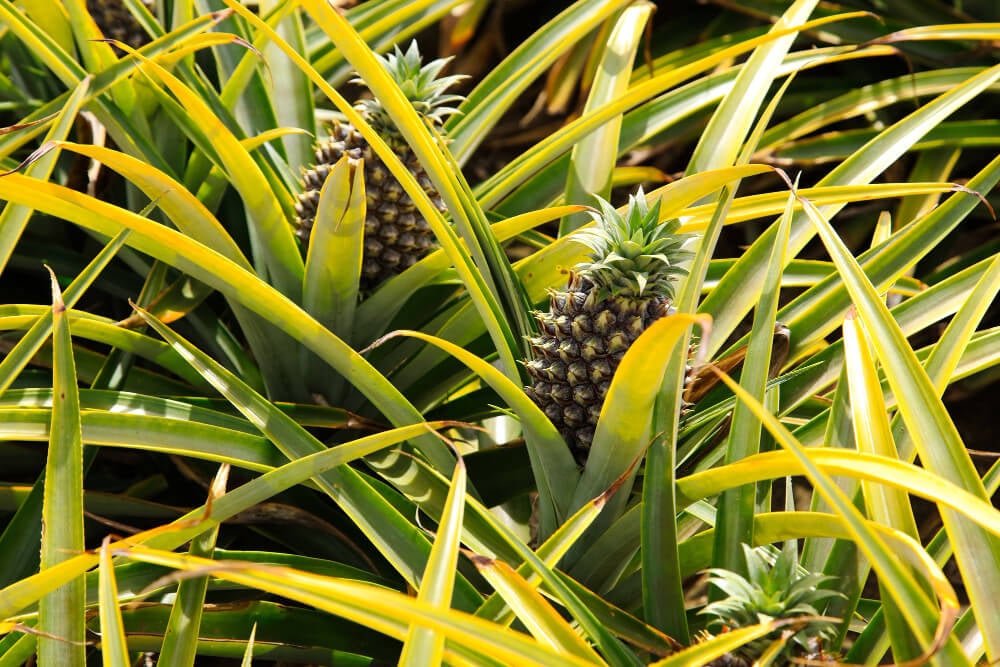
Here's a detailed guide on how to grow pineapples. This method is the most reliable and fastest way to get a fruiting plant:
1. Pre-preparation for the crown
After drying the crown, remove the lower leaves, exposing a section of the stem (about 2-3 cm). This bare part is where the roots will grow. You can also suspend the crown over a glass of water so that only the base (not the leaves) is submerged, using toothpicks for support. Place it in a sunny, indirect location and change the water every few days. Within one to two weeks, small roots will begin to appear. This method increases the chances of success, but you can skip it and plant directly in the soil.
2. Soil cultivation
- Choose a pot about 20-25 cm in diameter with drainage holes in the bottom, or prepare a spot in your garden with well-draining soil. Fill the pot with suitable soil.
- Make a 3-5 cm deep hole in the center of the soil and place the dried crown base in it, gently firming the soil around it to secure it. Make sure the leaves are above the soil surface.
- Water the plant gently until the soil is moist, but be careful not to overwater. It's best to use a fine mist sprayer to avoid disturbing the soil.
- Place the pot in a warm, sunny spot, but away from direct, scorching sunlight at first. Moderate room temperature is ideal.
- After a few weeks you will notice new light green leaves starting to appear in the middle of the crown, which is a sign of successful planting and the beginning of root growth.
3. Growing pineapples from seeds
Growing pineapples from seed is less common, but possible, especially for those interested in hybridization or obtaining rare varieties. Obtaining pineapple seeds isn't easy, as most commercial varieties are sterile or produce very few seeds. If you find small black seeds inside the fruit, you can follow these steps:
- Remove the seeds from the pulp and wash it thoroughly to remove any sugary residue that may cause mold.
- Soak the seeds in warm water for 18-24 hours to help activate them and soften the hard outer shell.
- Plant the seeds at a shallow depth (about 1 cm) in light, moist soil.
- Cover the container with a clear plastic bag to retain moisture, and place it in a warm place (about 24-27 degrees Celsius).
- The seeds may take several weeks or even months to germinate, and require patience and constant care with moisture.
Remember that the product from seeds may not be identical to the parent fruit, and plants may take longer (4-5 years) to bear fruit compared to crown cultivation.
Suitable soil for growing pineapples
- Choosing the right soil is key to successful pineapple cultivation. This plant thrives in acidic, well-drained conditions.
- The best soil for growing pineapples is light, sandy loam or clay soil that allows water to drain easily and doesn't retain excess water. Avoid heavy, clayey soils that become waterlogged, as these cause the roots to rot quickly.
- The ideal soil for pineapples is acidic soil with a pH between 4.5 and 5.6. If your soil is alkaline, you can alkalize it by adding agricultural sulfur or use a special soil such as potting soil available at Al Talib store, which provides the ideal environment for growth.
- Pineapples thrive in soil rich in organic matter, which helps retain moisture without becoming waterlogged and provides essential nutrients. You can add compost or well-rotted organic fertilizer to improve soil fertility.
Ideal climate and temperature
The pineapple is considered the king of tropical fruits; it needs a warm, humid climate to grow and bear fruit well. Here are its most important environmental requirements:
- The ideal temperature for pineapple growth is between 20 and 30 degrees Celsius. The plant tolerates high temperatures, but temperatures exceeding 35 degrees Celsius can cause scorching, especially in direct sunlight. Temperatures below 16 degrees Celsius slow growth, and frost can be fatal. Therefore, knowing where to plant pineapples depends heavily on the availability of this warmth year-round.
- Pineapples prefer high humidity, but not waterlogged soil. Adequate atmospheric humidity encourages good vegetative growth.
- Pineapples need at least 6 hours of bright sunlight daily to produce sweet fruit. In very hot regions, light afternoon shade may be beneficial to prevent sunburn on the fruit and leaves.
Therefore, when considering where to grow pineapples, look for warm, frost-free areas with good sun exposure and moderate humidity. They can be successfully grown in greenhouses in colder regions, or in pots indoors near a sunny, warm window.
Pineapple planting time throughout the year
Unlike many crops, pineapples are not tied to a very specific planting time, as they can be grown year-round in warm climates. However, there are times that are considered better for maximizing success.
- In open fields within tropical and subtropical regions, there are two main planting seasons: the spring season, which extends from February to May and is considered the best time for planting as it is followed by temperatures suitable for growth and development, and the autumn season, which is from August to October.
- In home gardening or greenhouses, you can start at any time provided the appropriate climatic conditions are met (warmth, light, humidity). Just make sure the temperature is at least 18 degrees Celsius.
The most important point is that giving the plant a long and warm growing period is key to getting a strong plant capable of flowering and fruiting, which usually takes 18 to 24 months from planting to harvest.
You might be interested in: How to grow tomatoes step by step
Fertilization and irrigation
Caring for your pineapple plant after planting is just as important as the planting method itself. Here are the basics of watering and fertilizing:
- Pineapple is a succulent plant that stores water in its leaves, making it somewhat drought-tolerant. Overwatering is a common and fatal mistake, as it leads to root rot.
- The golden rule is to water when the soil is dry. Allow the top 2-3 cm of soil to dry completely before watering again. In summer, you may need to water every 3 days, while in winter, every 7-10 days may suffice.
- Water the plant directly at the base, and avoid letting water pool in the center of the leaf rosette, as this may cause rot.
- It is recommended to use a balanced organic fertilizer or a natural liquid fertilizer specifically formulated for houseplants once every one to two months during the growing season (spring and summer). This type of fertilizer provides nutrients gradually and does not burn the roots.
Agricultural spacing between plants
- In intensive (commercial) farming: Pineapples are planted in raised beds 80-100 cm wide. Two rows are planted on each bed, with approximately 50 cm between rows and 30-40 cm between plants within each row. These spacings allow for approximately 16,000 to 20,000 plants per acre.
- In home gardening: One pot per plant with a diameter of at least 30 cm is sufficient to ensure enough space for root growth.
- Adequate spacing allows for good ventilation between plants, which reduces fungal diseases, ensures sufficient light reaches all leaves, and facilitates service, fertilization, and harvesting.
Al Talib Store for all types of seeds
At Al Talib Store, we provide you with a wide and diverse range of high-quality products that guarantee your success:
- We offer you a range of rare fruit, vegetable, and plant seeds to ensure the highest germination and production rates.
- Ideal potting soil such as rich, specially formulated potting soil is designed to provide an ideal growing environment for your plants.
- We provide everything you need to nourish your plants, from balanced organic and chemical fertilizers to growth stimulants.
- Pesticides and resistance solutions to protect your plants from pests and diseases safely and effectively.
- Agricultural tools include pots and basins of various sizes, water sprayers, and agricultural shears.
Conclusion
Learning how to grow pineapples is an investment that is both enjoyable and rewarding. Beyond simply enjoying fresh, delicious fruit from your garden or home, this experience gives you a sense of accomplishment and a connection with nature. Growing pineapples, whether for personal enjoyment or as a small business, is an exciting journey that deserves patience and perseverance. With this comprehensive guide, you'll know how to grow a pineapple tree, from selecting the right crown and preparing the soil to harvesting.
Frequently asked questions about pineapple cultivation
1. What is the best time to plant pineapples?
The best time to plant pineapples is in the spring (February-May) in open ground. However, indoors or in greenhouses, you can plant them at any time, provided they receive adequate warmth and light.
2. How long does it take for a pineapple tree to bear fruit?
A pineapple plant grown from the crown needs about 18 to 24 months to flower and produce fruit. Plants grown from seed may need longer (4-5 years).
3. Can pineapples be grown at home?
Yes, growing pineapples at home is very easy using the crown of a fresh fruit, planting it in a deep pot with well-draining soil, and placing it in a warm, sunny location. It's a great experience for beginners.